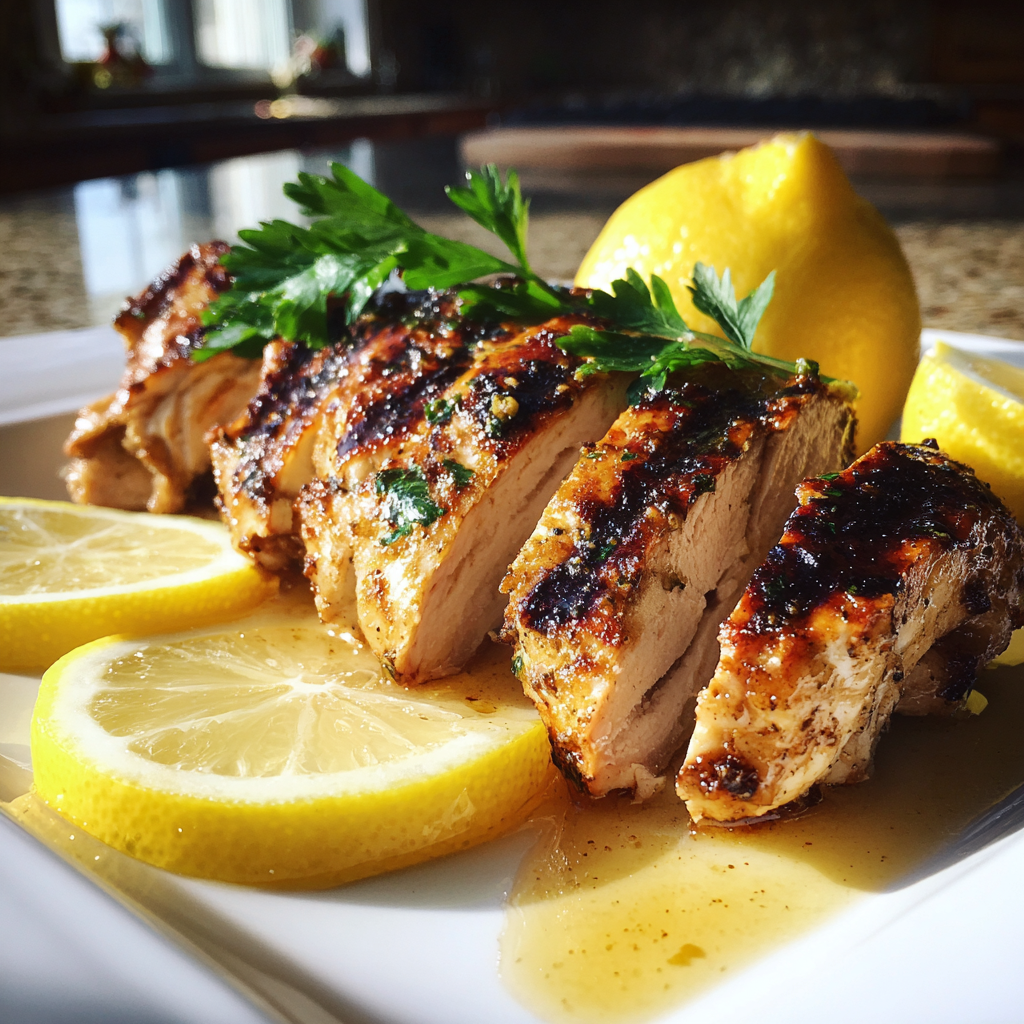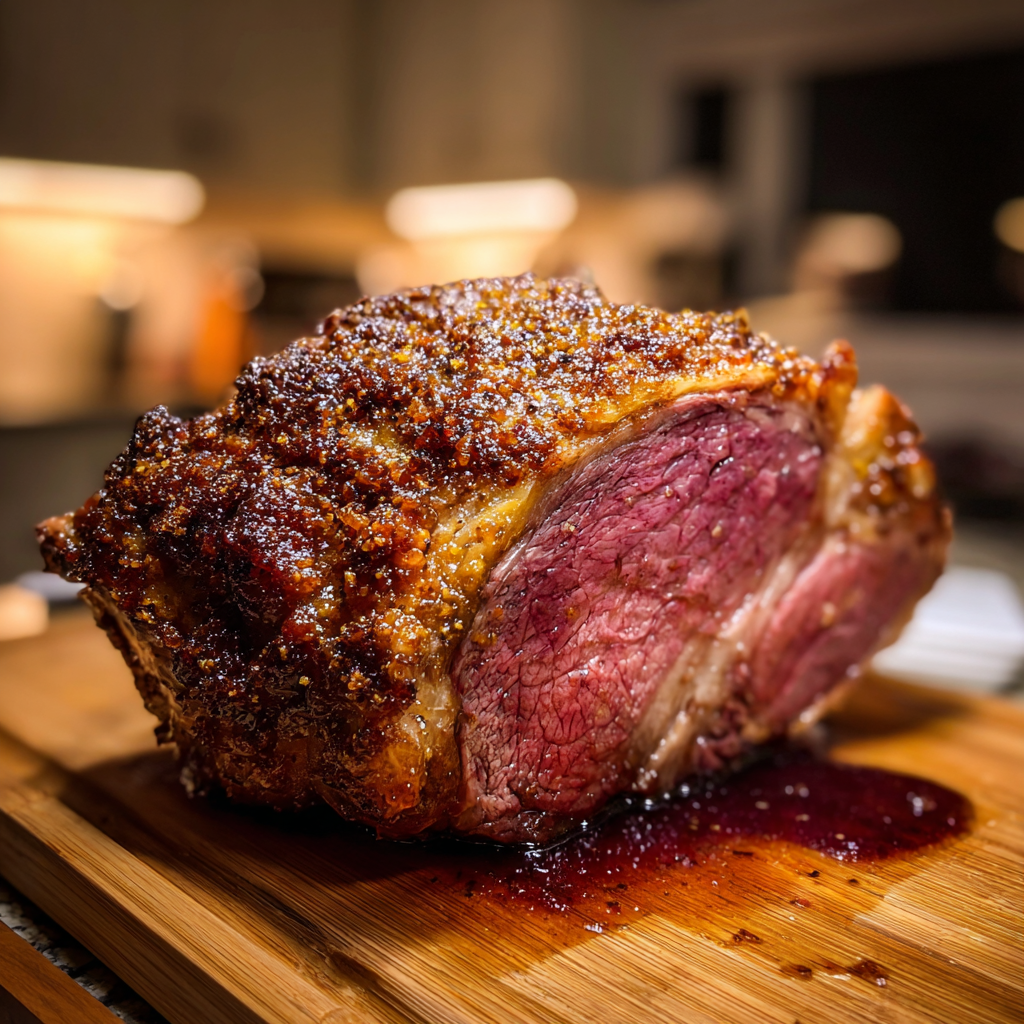
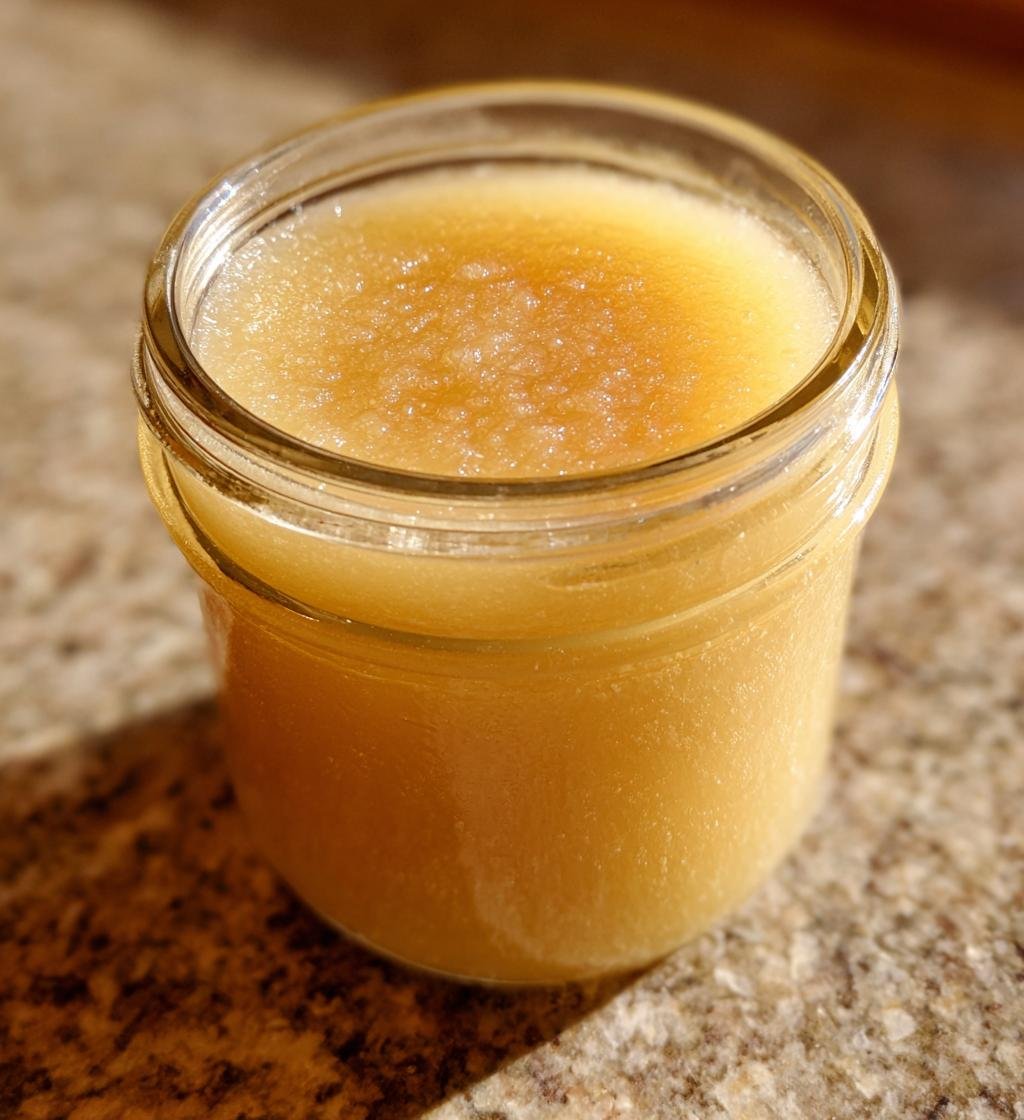
Let me tell you, beef tallow is like liquid gold in the kitchen! This rich, rendered fat from beef has been a staple in cooking for centuries, and for good reason. It adds an incredible depth of flavor to everything it touches, from crispy roasted vegetables to perfectly seared steaks. I remember the first time I rendered my own beef tallow—it felt like I had unlocked a hidden culinary secret! As the fat melted slowly in the pot, the aroma filled my kitchen, making my mouth water. I love using tallow for frying because it has a high smoke point, making it perfect for achieving that crispy texture without burning. Plus, it’s a fantastic option for those following a ketogenic diet. Trust me, once you try cooking with beef tallow, you’ll never want to go back to other oils! It’s versatile, flavorful, and just downright delightful.
Ingredients List
To make your own delicious beef tallow, you’ll need just one simple ingredient:
- Beef fat: 2 pounds, preferably from grass-fed beef for the best flavor and quality.
Make sure to get high-quality beef fat, as this will make a significant difference in the final product. You can often find beef fat at your local butcher or farmer’s market. Don’t be shy—ask for “suet” or “beef fat trimmings.” The better the fat, the richer your tallow will be!
How to Render Beef Tallow
Rendering beef tallow might sound intimidating, but trust me, it’s easier than you think! All you need is a little patience and some time, and soon you’ll have a jar of golden goodness waiting for you. Follow these steps closely, and you’ll be on your way to making your own tallow that’ll elevate your cooking to new heights!
Step-by-Step Instructions
- Prepare the beef fat: Start by cutting the beef fat into small, uniform pieces—about 1-inch cubes. This helps it melt evenly and quickly.
- Get your pot ready: Place a large, heavy-bottomed pot over low heat. I prefer using a cast-iron pot because it retains heat beautifully, but any large pot will do!
- Add the fat: Toss the chopped beef fat into the pot. Make sure it’s spread out evenly to promote even melting.
- Slow and steady: Let the fat melt slowly, stirring occasionally with a wooden spoon. This is the time to enjoy the lovely aroma wafting through your kitchen! It usually takes about 1.5 to 2 hours to fully render the tallow, so don’t rush it.
- Watch for signs: You’ll know it’s ready when there are small, crispy bits left at the bottom of the pot and the liquid fat is clear and golden. This is the precious tallow!
- Strain the tallow: Once you’ve reached that perfect point, carefully strain the melted fat through a cheesecloth or fine mesh strainer into a heatproof bowl. This separates the crispy bits from your beautiful tallow.
- Cool and store: Let the strained tallow cool down at room temperature, then pour it into a jar for storage. Be sure to label it and keep it in a cool, dark place.
And there you have it! Your very own beef tallow, ready to enhance your culinary adventures!
Why You’ll Love This Recipe
Beef tallow is not just any cooking fat; it’s a game-changer in your kitchen! Here’s why you’ll absolutely adore making and using beef tallow:
- Rich Flavor: Beef tallow adds an unparalleled depth of flavor to your dishes, enhancing everything from roasted vegetables to fried foods.
- High Smoke Point: With a high smoke point, it’s perfect for frying and sautéing, allowing you to achieve that crispy, golden crust without the risk of burning.
- Health Benefits: Packed with healthy fats, beef tallow is a great option for those on a ketogenic diet, providing energy and supporting overall health.
- Versatile Use: You can use it in baking, cooking, or even as a base for homemade skincare products—how cool is that?
Once you start using beef tallow, you’ll wonder how you ever cooked without it!
Tips for Success
Rendering beef tallow is pretty straightforward, but here are a few pro tips to ensure you nail it every time:
- Use a thermometer: Keeping the temperature below 250°F helps prevent the fat from burning and developing an off-flavor.
- Don’t rush it: Patience is key! Slow rendering allows more flavor to develop and ensures a smoother tallow.
- Save the bits: Those crispy bits at the bottom are called cracklings! You can season and enjoy them as a tasty snack or add them to dishes for extra flavor.
- Check for clarity: Your tallow should be clear and golden when done. If it’s cloudy, it may need more cooking time.
Follow these tips, and you’ll be a beef tallow pro in no time!
Storage & Reheating Instructions
Once your beef tallow has cooled and been stored in a jar, keeping it fresh is a breeze! Just make sure to seal it tightly and store it in a cool, dark place, like your pantry or refrigerator. It can last for several months if stored properly. If you notice any off smells or discoloration, it’s best to toss it out.
When you’re ready to use your tallow, you can easily reheat it. Simply scoop out the amount you need and warm it up in a small saucepan over low heat until it melts. Give it a gentle stir and you’re all set to enjoy its rich flavor in your cooking!
Nutritional Information
When it comes to beef tallow, it’s all about those rich, satisfying fats! Here’s a quick look at the typical nutritional values per serving (1 tablespoon):
- Calories: 115
- Fat: 13g
- Saturated Fat: 6g
- Unsaturated Fat: 7g
- Trans Fat: 0g
- Cholesterol: 0mg
- Carbohydrates: 0g
- Protein: 0g
- Sugar: 0g
- Sodium: 0mg
Keep in mind that these values are estimates and can vary based on the beef fat source. But one thing’s for sure: you’re getting a fantastic dose of flavor and energy!
FAQ Section
You might have some questions about beef tallow and how to use it, and I’m here to help! Here are a few common queries:
- What’s the difference between beef tallow and lard? While both are animal fats, beef tallow comes from beef, while lard is rendered from pork. Tallow typically has a richer flavor and a higher smoke point, making it ideal for frying.
- Can I use beef tallow for baking? Absolutely! Beef tallow can replace butter or other fats in baking recipes. Just keep in mind that it has a distinct flavor, so it works best in savory baked goods.
- How can I tell if my beef tallow has gone bad? If your tallow develops an off smell or shows signs of discoloration, it’s best to err on the side of caution and discard it.
- Can I reuse beef tallow? Yes! After using tallow for frying, strain it and store it properly for future use. Just make sure it’s clean and free of food particles.
With these tips, you’ll be well on your way to making the most of your beef tallow!
Print
Beef tallow: 7 Secrets to Unlocking Culinary Magic
- Total Time: 2 hours 15 minutes
- Yield: About 1.5 quarts
- Diet: Ketogenic
Description
Beef tallow is rendered fat from beef. It is used in cooking and baking for its rich flavor.
Ingredients
- Beef fat – 2 pounds
Instructions
- Cut the beef fat into small pieces.
- Place the fat in a large pot over low heat.
- Cook slowly, stirring occasionally, until the fat melts.
- Strain the melted fat through a cheesecloth into a bowl.
- Let it cool and store in a jar.
Notes
- Store tallow in a cool, dark place.
- Use within a few months for best flavor.
- Prep Time: 15 minutes
- Cook Time: 2 hours
- Category: Cooking Fat
- Method: Rendering
- Cuisine: American
Nutrition
- Serving Size: 1 tablespoon
- Calories: 115
- Sugar: 0g
- Sodium: 0mg
- Fat: 13g
- Saturated Fat: 6g
- Unsaturated Fat: 7g
- Trans Fat: 0g
- Carbohydrates: 0g
- Fiber: 0g
- Protein: 0g
- Cholesterol: 0mg
Keywords: beef tallow, rendered fat, cooking fat