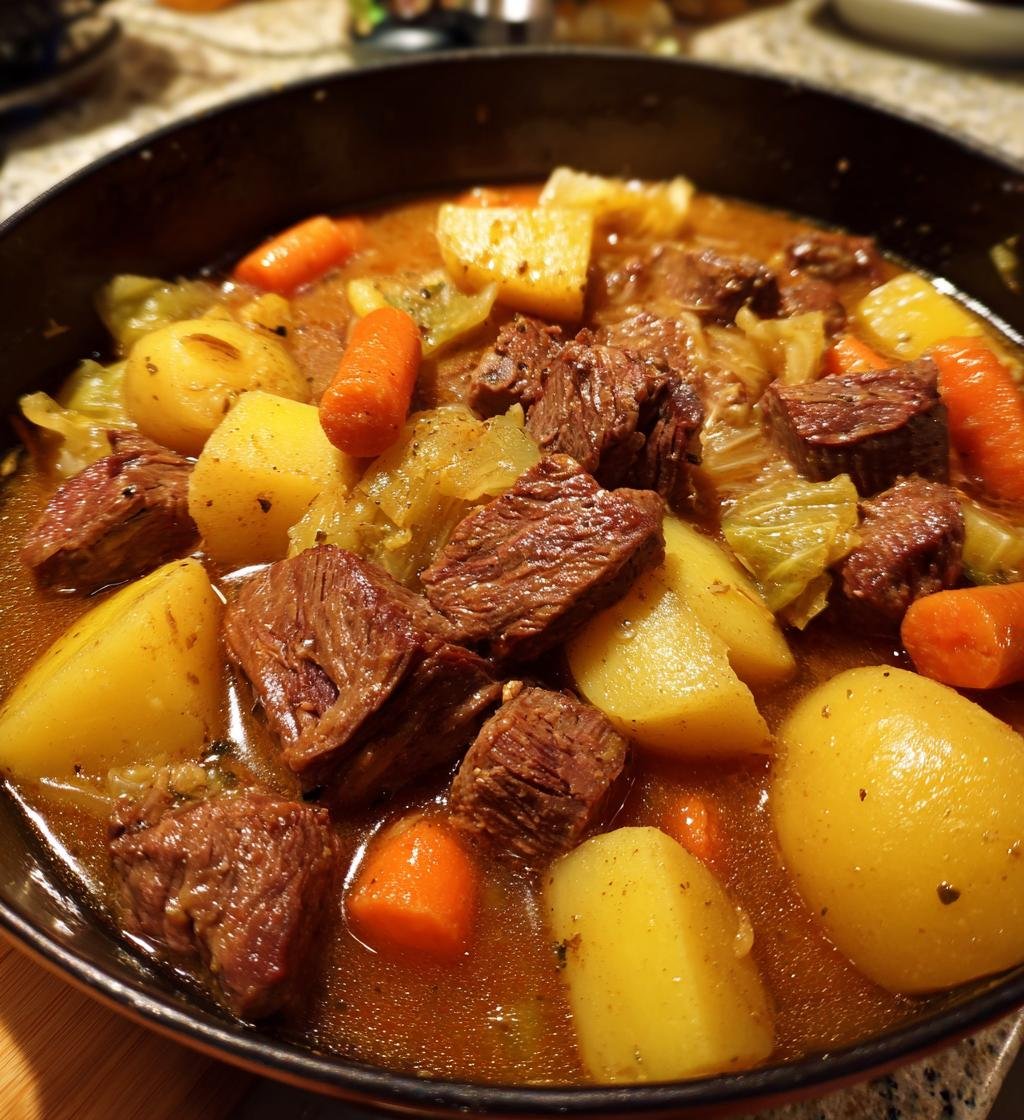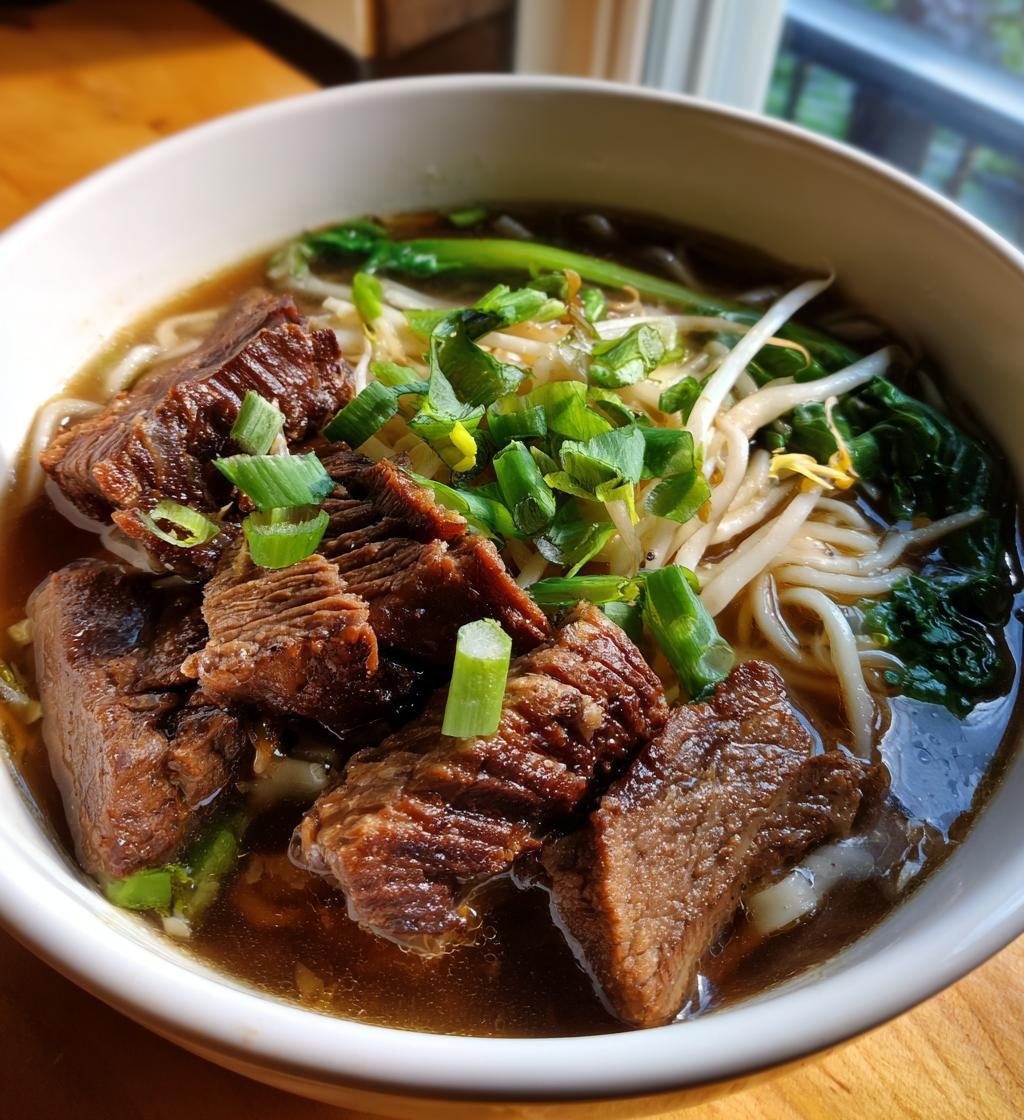
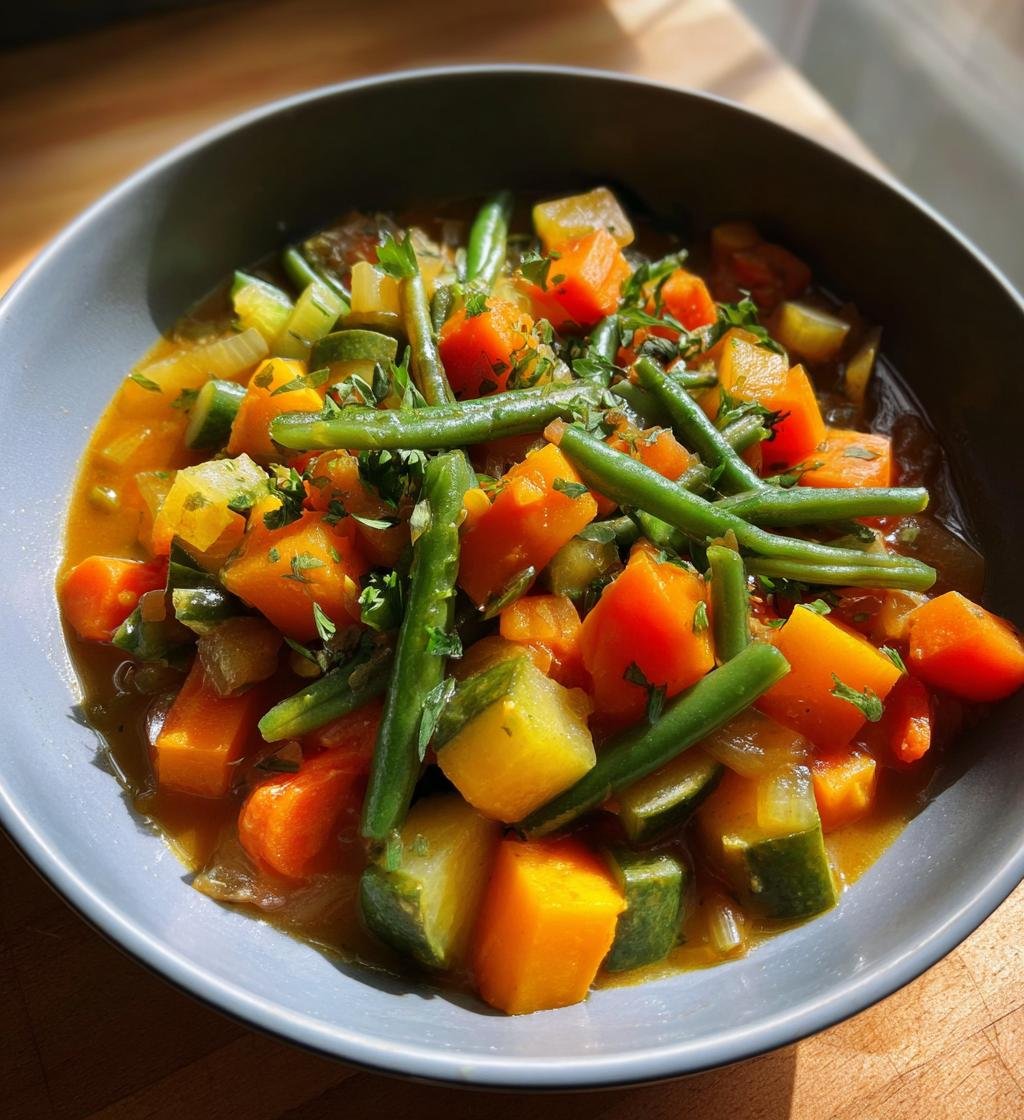
There’s something about winter that just calls for a warm, hearty stew, don’t you think? When the chill sets in, I can’t resist the cozy embrace of my winter vegetable stew. It’s a bowl of comfort that not only warms you up but also nourishes your body with seasonal goodness. I remember the first time I made this stew; it was one of those snowy days when the world outside was a winter wonderland, and I was snug inside, chopping up vegetables and feeling all the cozy vibes. The aroma of simmering garlic, onions, and thyme filled my kitchen, wrapping me in a hug that only good food can provide.
This stew is loaded with vibrant winter vegetables like carrots, celery, and butternut squash, which are not only delicious but also packed with nutrients. Each spoonful is like a reminder of the earth’s bounty during the colder months. It’s so easy to whip up, and the best part? You can make it in just about 45 minutes! Trust me, once you take that first bite, you’ll be hooked. Whether you’re looking for a nourishing meal after a long day or something to share with loved ones, this winter vegetable stew is sure to become a go-to recipe in your kitchen, just like it has in mine.
Ingredients List
- 2 tablespoons olive oil
- 1 onion, chopped
- 2 carrots, diced
- 2 celery stalks, diced
- 3 cloves garlic, minced
- 4 cups vegetable broth
- 1 potato, diced
- 1 cup green beans, chopped
- 1 cup butternut squash, diced
- 1 teaspoon thyme
- 1 teaspoon rosemary
- Salt and pepper to taste
How to Prepare Instructions
Heating the Base
Let’s get started! First, heat up that olive oil in a large pot over medium heat. You want it to shimmer a bit, which usually takes about a minute. Once it’s ready, toss in your chopped onion, diced carrots, and diced celery. This trio is the holy grail of flavor! Cook them together for about 5-7 minutes until they soften up and the onion turns translucent. You’ll know it’s time to move on when your kitchen starts smelling like a cozy hug.
Adding Flavor
Now, it’s time to amp up the flavor! Stir in the minced garlic and cook for just 1 minute. This step is crucial because garlic releases its essential oils when heated, which adds that aromatic punch that makes your stew sing. Make sure not to let it brown too much; you just want it to become fragrant. Trust me, the delicious scent will have your taste buds tingling in anticipation!
Building the Stew
Next, it’s time to build this beautiful stew! Pour in the vegetable broth, and then add your diced potato, chopped green beans, and diced butternut squash. Don’t forget to sprinkle in that lovely thyme and rosemary along with salt and pepper to taste. These herbs are like a warm blanket for your stew, adding depth and heartiness. Give everything a good stir to combine all those fantastic flavors.
Cooking Process
Bring the pot to a boil — you’ll see some bubbles popping up, and it’s quite satisfying! Once it’s bubbling away, reduce the heat to low and cover the pot. Let it simmer for about 30 minutes. This simmering time allows all those flavors to meld together beautifully. Just keep an eye on it and give it an occasional stir to make sure nothing sticks to the bottom. When it’s done, you’ll have a rich, hearty stew that’s bursting with winter goodness. Serve it hot, and prepare to be amazed!
Nutritional Information
Before we dive into the delicious details of this winter vegetable stew, let’s chat about nutrition! Keep in mind that the nutritional values can vary based on the specific ingredients and brands you use, so consider these estimates as a general guide rather than exact numbers.
Here’s a rough breakdown per serving, which is about 1 cup:
- Calories: 180
- Fat: 7g
- Saturated Fat: 1g
- Unsaturated Fat: 6g
- Trans Fat: 0g
- Carbohydrates: 30g
- Sugar: 4g
- Fiber: 6g
- Protein: 4g
- Sodium: 500mg
- Cholesterol: 0mg
This stew is not only comforting but also packed with nutrients, thanks to all those vibrant vegetables. It’s a warm hug in a bowl that nourishes your body and soul during those chilly winter days!
Why You’ll Love This Recipe
- Quick and Easy: This winter vegetable stew comes together in just 45 minutes, making it a perfect weeknight meal that doesn’t skimp on flavor.
- Healthful Goodness: Packed with vibrant winter vegetables, this stew is a powerhouse of nutrients, helping you stay healthy and energized during the colder months.
- Seasonal Delight: Utilizing seasonal ingredients like butternut squash and green beans not only enhances the flavor but also supports local farmers and sustainable eating.
- Comfort in a Bowl: There’s nothing like a warm bowl of stew to soothe your soul on a chilly day. It’s like wrapping yourself in a cozy blanket!
- Versatile and Customizable: Feel free to mix in your favorite winter vegetables or herbs, making it easy to adapt this recipe to your taste or what’s on hand.
- Great for Meal Prep: This stew keeps well in the fridge for up to three days, so you can enjoy leftovers for lunch or dinner throughout the week.
Tips for Success
Now that you’re all set to whip up this delicious winter vegetable stew, here are some pro tips to ensure it turns out perfectly every time. Trust me, a few little tweaks can make a big difference!
Prep Your Veggies Ahead of Time
Chopping all your vegetables before you start cooking can save you precious time and make the cooking process smoother. I like to set up a little assembly line on my counter. Having everything prepped and ready to go means you can focus on the cooking and enjoy the aromas filling your kitchen!
Don’t Skimp on Seasoning
The key to a flavorful stew is seasoning at every stage. I typically add a little salt and pepper when I toss in the vegetables, then again when I add the broth. This layering of flavors builds a depth that really enhances the final dish. Feel free to adjust the herbs to your liking—if you love thyme, add a pinch more!
Experiment with Different Vegetables
One of the beauties of this stew is its flexibility! If you have other winter vegetables on hand, like parsnips or turnips, throw them in! Just make sure they’re cut into uniform sizes so they cook evenly. You can even swap the butternut squash for sweet potatoes for a different flavor profile.
Check for Thickness
If you prefer a thicker stew, you can mash a few of the potatoes against the side of the pot before serving. This will help thicken the broth naturally. Alternatively, if your stew ends up too thick, just stir in a bit more vegetable broth or water until you reach your desired consistency.
Enhance with Acid
A splash of lemon juice or a dash of vinegar at the end can brighten up the flavors of your stew. It’s like giving your dish a little pep talk! Just add a small amount, taste, and adjust until it’s just right.
Let It Sit
If you can, let your stew sit for a little while after cooking. This resting time allows the flavors to meld even more, making the stew taste even better. It’s perfect for those who love to cook ahead of time. Just reheat gently on the stove or in the microwave when you’re ready to enjoy!
With these tips in your back pocket, you’re all set to create a winter vegetable stew that’s not just good, but *great*! Happy cooking!
Variations
One of the best things about this winter vegetable stew is its versatility! You can easily switch things up to keep it exciting and to use whatever seasonal vegetables you have on hand. Here are some fun ideas to get those creative juices flowing:
Switch Up the Vegetables
If you’re feeling adventurous, try swapping in different winter vegetables. Parsnips add a hint of sweetness, while turnips bring a lovely earthiness. You could also throw in some kale or spinach for a pop of color and extra nutrients. Just make sure to chop everything into similar sizes for even cooking!
Add a Protein Boost
Want to turn your stew into a heartier meal? Consider adding some cooked lentils or chickpeas for a plant-based protein punch. They’ll soak up all those wonderful flavors and make the stew even more filling. If you’re not strictly vegan, shredded rotisserie chicken or diced sausage can also be delicious additions!
Experiment with Spices
Spice can take your stew to the next level! Try adding a pinch of cumin or smoked paprika for a warm, smoky flavor. A dash of cayenne pepper can also add a little heat if you’re feeling bold. Don’t be afraid to play around with different spices—each one brings a new twist!
Use Different Broths
If you want to change the flavor profile entirely, try using mushroom broth or herb-infused broth instead of vegetable broth. The depth of flavor will surprise you and add a unique richness to the stew. Just make sure to taste along the way and adjust your seasoning if needed!
Herb Swaps
While thyme and rosemary are classic choices, why not mix in some sage or parsley for a fresh twist? Fresh herbs can elevate the dish, especially if added at the end of cooking. Just remember, dried herbs pack a punch, so adjust accordingly!
With these variations, you’ll never get bored with your winter vegetable stew. Feel free to mix and match based on your preferences and what’s in season. Happy experimenting!
Storage & Reheating Instructions
Let’s talk about how to keep your delicious winter vegetable stew fresh and tasty for those cozy leftovers! Proper storage and reheating are key to enjoying every last spoonful.
First off, if you have any leftovers (which is rare because it’s so good!), let the stew cool down to room temperature before transferring it to an airtight container. I usually portion it out into smaller containers, which makes reheating a breeze later on. Just make sure to leave a little space at the top of the container, as the stew may expand a bit when it freezes.
You can store your winter vegetable stew in the refrigerator for up to three days. If you want to keep it longer, it freezes beautifully! Just pop those airtight containers in the freezer, where it can last for about three months. When you’re ready to enjoy it again, be sure to label your containers with the date. That way, you’ll know exactly when it was made!
Now, when it comes to reheating, I suggest using the stovetop for the best results. Simply pour the desired amount of stew into a pot over medium heat. Stir occasionally to ensure it heats evenly. Depending on how much you’re reheating, this should take about 5-10 minutes. If it seems a bit thick, don’t hesitate to splash in a little vegetable broth or water to loosen it up.
If you’re in a hurry, you can also use the microwave. Just transfer the stew to a microwave-safe bowl, cover it (leaving a small gap for steam to escape), and heat on high in one-minute intervals, stirring in between, until it’s hot throughout. Be cautious, though—food can get hot spots in the microwave, so give it a good stir and check the temperature before digging in!
Following these storage and reheating tips will help you savor the warmth and comfort of your winter vegetable stew even after the first meal. Enjoy every delicious bite!
FAQ Section
Q1: How can I make my winter vegetable stew thicker?
If you prefer a thicker stew, you can mash some of the potatoes against the side of the pot before serving. This will help naturally thicken the broth. Alternatively, you can mix a tablespoon of cornstarch with a little cold water to create a slurry, then stir it into the simmering stew until it thickens to your liking. Just remember, a little goes a long way!
Q2: How long will my stew last in the refrigerator?
Your delicious winter vegetable stew can be stored in the refrigerator for up to three days. Just make sure to keep it in an airtight container to preserve its flavors. If you find yourself with leftovers, don’t worry—they freeze beautifully!
Q3: What’s the best way to reheat the stew?
For the best results, I recommend reheating your stew on the stovetop over medium heat. This ensures it heats evenly and retains its creamy texture. Just stir occasionally and add a splash of vegetable broth or water if it’s too thick. If you’re in a hurry, you can also use the microwave; just remember to stir every minute or so to avoid hot spots!
Q4: What are some great side dishes to serve with this stew?
This winter vegetable stew pairs wonderfully with crusty bread or a warm baguette for dipping. You could also serve it alongside a fresh green salad for some crunch, or even a simple grain like quinoa or rice to make it a heartier meal. If you want to keep it cozy, some warm cornbread on the side is a fantastic option!
Q5: Can I add more vegetables to the stew?
Absolutely! The beauty of this stew is its versatility. Feel free to add any of your favorite winter vegetables, like parsnips, turnips, or even leafy greens like kale or spinach. Just make sure to chop them into similar sizes for even cooking. It’s a great way to use up whatever is in your fridge!
Q6: Is this stew suitable for meal prep?
Yes! This winter vegetable stew is perfect for meal prep. It keeps well in the fridge for up to three days or can be frozen for up to three months. Just portion it out into smaller containers, and you’ll have ready-to-eat meals for busy days. Just reheat and enjoy!

Winter Seasonal Food: 5 Comforting Stews to Savor
- Total Time: 45 minutes
- Yield: 4 servings 1x
- Diet: Vegan
Description
A delicious winter vegetable stew that warms you up.
Ingredients
- 2 tablespoons olive oil
- 1 onion, chopped
- 2 carrots, diced
- 2 celery stalks, diced
- 3 cloves garlic, minced
- 4 cups vegetable broth
- 1 potato, diced
- 1 cup green beans, chopped
- 1 cup butternut squash, diced
- 1 teaspoon thyme
- 1 teaspoon rosemary
- Salt and pepper to taste
Instructions
- Heat olive oil in a large pot over medium heat.
- Add onion, carrots, and celery. Cook until softened.
- Stir in garlic and cook for 1 minute.
- Add vegetable broth, potato, green beans, and butternut squash.
- Season with thyme, rosemary, salt, and pepper.
- Bring to a boil, then reduce heat and simmer for 30 minutes.
- Serve hot.
Notes
- This stew can be stored in the refrigerator for up to 3 days.
- Add your favorite winter vegetables for variety.
- Serve with crusty bread for a complete meal.
- Prep Time: 15 minutes
- Cook Time: 30 minutes
- Category: Main Course
- Method: Stovetop
- Cuisine: American
Nutrition
- Serving Size: 1 cup
- Calories: 180
- Sugar: 4g
- Sodium: 500mg
- Fat: 7g
- Saturated Fat: 1g
- Unsaturated Fat: 6g
- Trans Fat: 0g
- Carbohydrates: 30g
- Fiber: 6g
- Protein: 4g
- Cholesterol: 0mg
Keywords: winter seasonal food