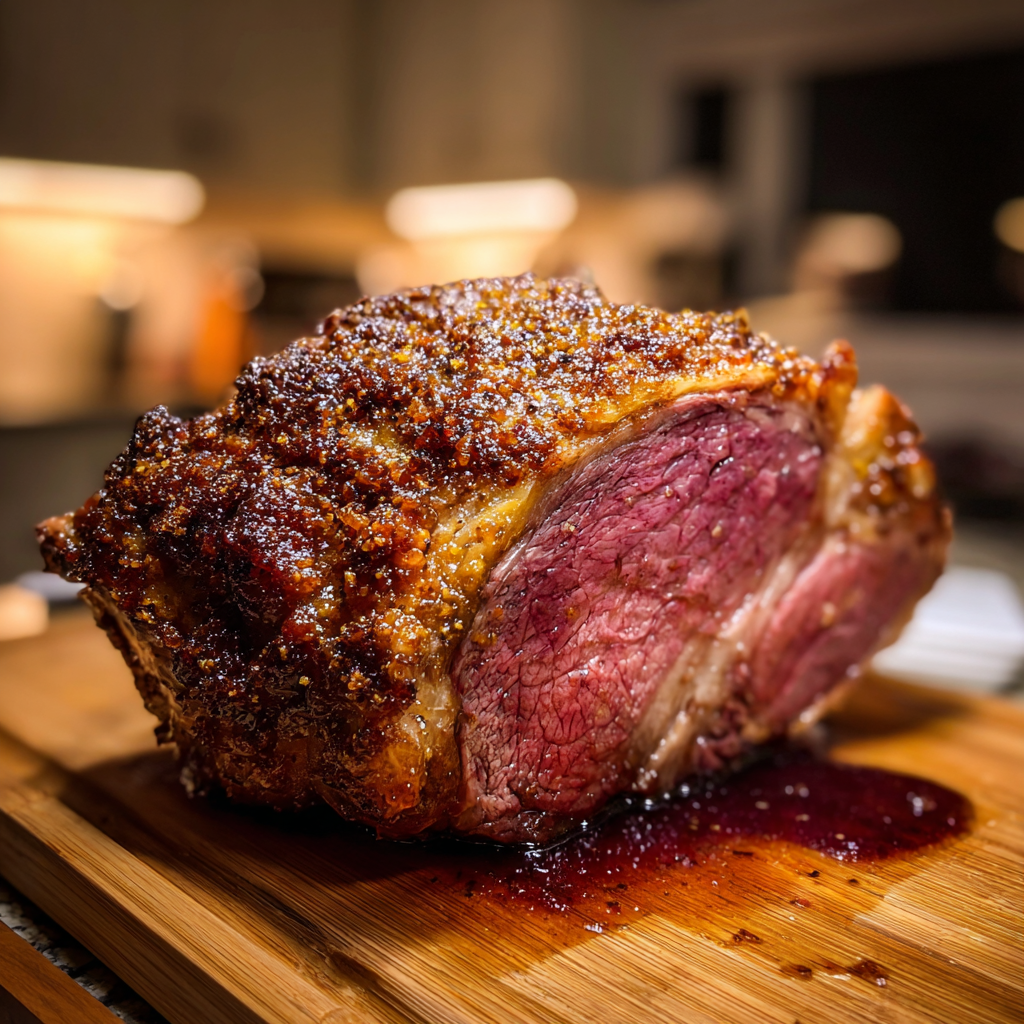
Let me tell you, beef tallow is one of the best-kept secrets in the kitchen! This rendered fat from beef has been used for centuries, and I can absolutely see why. Not only does it add an incredible depth of flavor to your dishes, but it’s also a fantastic cooking fat that can withstand higher temperatures than many oils. I remember the first time I tried cooking with beef tallow; it was like discovering a whole new world of crispy, golden perfection! Everything I cooked in it tasted richer and more satisfying.
Historically, beef tallow has been a staple in many cultures, used for frying, baking, and even as a base for traditional dishes. It’s a versatile ingredient that I love to keep on hand. Plus, it’s gluten-free, which is a bonus for anyone with dietary restrictions. Whether you’re frying potatoes, roasting vegetables, or even baking, giving beef tallow a try will elevate your cooking game to a whole new level. Trust me, once you start using it, you won’t want to go back!
Ingredients List
- 2 pounds beef fat, cut into small pieces
How to Prepare Beef Tallow
Rendering beef tallow is a simple yet rewarding process that transforms the beef fat into a glorious cooking fat you’ll want to keep close at hand. I’m here to walk you through each step, ensuring you feel confident and excited to try it yourself!
Step 1: Cut the Beef Fat
First things first, you’ll want to cut your beef fat into small, even pieces. This is super important because smaller chunks melt more evenly and quickly, ensuring you get the best results. I like to use a sharp knife and a sturdy cutting board for this. Don’t worry about making them perfect; aim for about 1-inch squares. It’s all about getting them small enough to melt nicely but not so small that they turn into mush!
Step 2: Cooking the Fat
Next, place those lovely pieces of beef fat into your slow cooker or a heavy pot. I prefer the slow cooker because it keeps the temperature consistent and requires less fuss. Set it on low heat and let it work its magic! This part usually takes about 4 hours, so grab a cup of coffee, sit back, and enjoy the aromas filling your kitchen. You’ll know it’s done when the fat has completely melted into a clear liquid and the solids have shrunk down, which is a good sign everything is on the right track.
Step 3: Straining the Liquid Fat
Once your fat is fully melted, it’s time to strain it. Carefully pour the liquid fat through a cheesecloth into a heat-safe container. Be cautious here! The fat is hot, and you definitely don’t want any splatters. I usually place a bowl or jar on a towel to catch any drips. As for the solids left behind, you can toss them – they’ve done their job! Some folks even use them for dog treats, but that’s totally up to you.
Step 4: Cooling and Solidifying
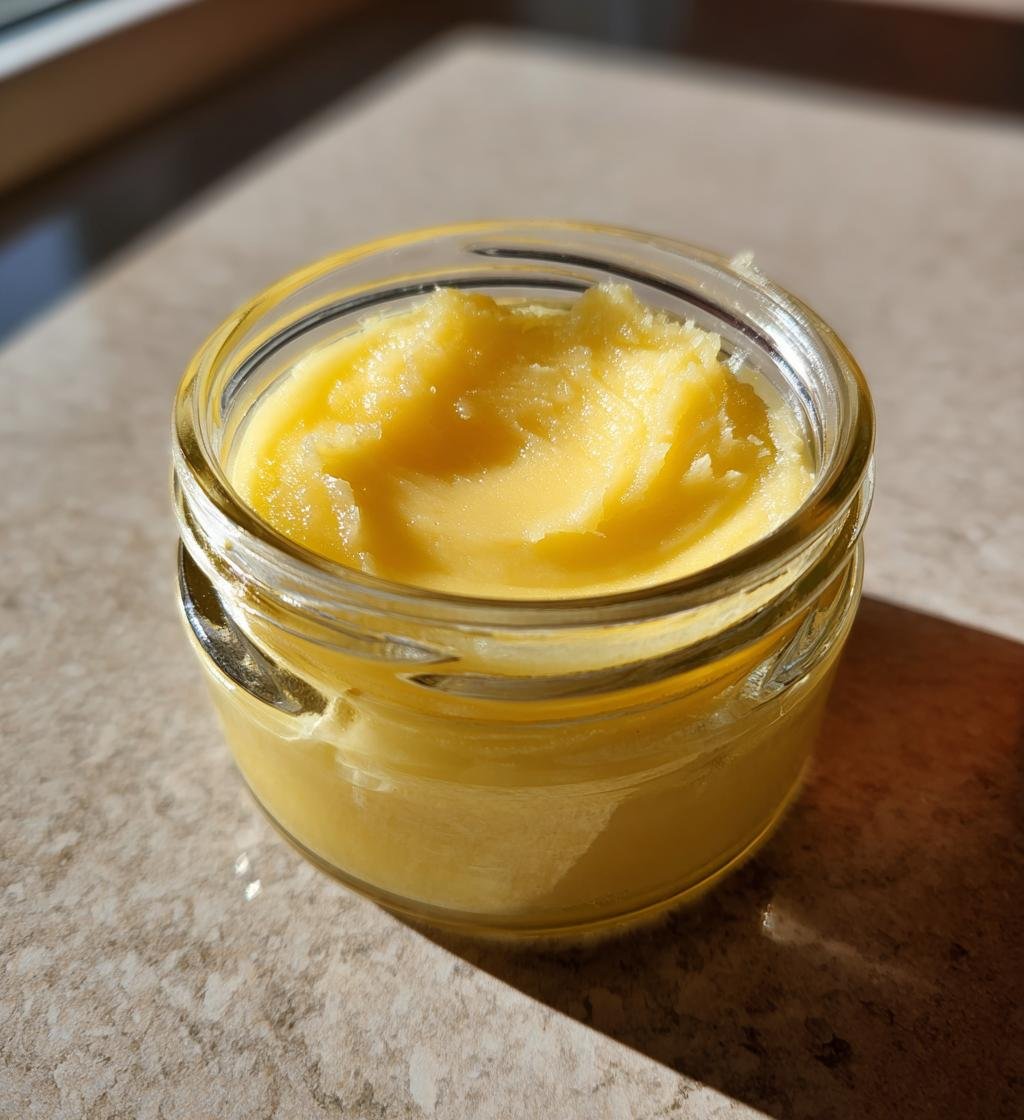
After straining, allow the liquid fat to cool at room temperature for a bit before transferring it to the fridge. Once it’s cool, it will solidify into a beautiful creamy color. To store it, I recommend using an airtight container in a cool, dark place. If you keep it in the fridge, it can last for months! Just make sure to scoop it out with a clean utensil each time, and you’ll have delicious beef tallow ready whenever you need it!
Why You’ll Love This Recipe
There are so many reasons to fall in love with rendering and using beef tallow in your cooking! It’s not just a cooking fat; it’s a game changer. Here’s why I think you’ll adore it:
- Incredible Flavor: Beef tallow adds a rich, savory depth to your dishes that oils simply can’t match. You’ll notice a difference in taste, especially when frying or roasting.
- High Smoke Point: With a smoke point of around 400°F, beef tallow can handle the heat! This makes it perfect for frying, searing, and sautéing without breaking down and becoming unhealthy.
- Versatility: From frying potatoes to baking pastries, beef tallow can be used in countless recipes. It’s fantastic for adding a crispy texture to all your favorites!
- Health Benefits: Unlike many vegetable oils, beef tallow is a natural fat that’s free from harmful additives. It’s rich in nutrients and healthy fats that your body craves.
- Budget-Friendly: If you’re sourcing beef fat from a butcher or even rendering your own, it’s often more economical than purchasing specialty oils. Plus, it reduces waste by using every part of the animal.
- Gluten-Free: Perfect for those with gluten sensitivities, beef tallow is a safe alternative that enhances flavor without any hidden gluten.
Once you start incorporating beef tallow into your cooking, you’ll wonder how you ever lived without it. Trust me, it’s a delicious and practical addition to any kitchen!
Tips for Success
Rendering beef tallow is a rewarding process, but like any kitchen endeavor, there are a few tips that can help you avoid common pitfalls and achieve the best results. Trust me, I’ve learned a thing or two from my own experiences in the kitchen, and I’m excited to share these with you!
- Choose Quality Beef Fat: Start with high-quality beef fat from a trusted source. Grass-fed beef fat is my go-to because it often has a richer flavor and more nutrients. You can ask your butcher for suet, which is the fat around the kidneys – it’s perfect for rendering!
- Keep It Low and Slow: Resist the temptation to crank up the heat! Cooking the fat on low allows it to melt gently and evenly, preventing any burning or off-flavors. Patience is key here, so let it do its thing!
- Don’t Overcrowd the Pot: If you’re rendering a large batch, be mindful not to overcrowd your slow cooker or pot. This ensures that the fat has enough space to circulate and melt properly. You might want to do it in smaller batches for optimum results.
- Use a Thermometer: If you’re unsure about the temperature, a kitchen thermometer can help. Keeping the temperature around 200°F to 250°F is ideal for rendering. This prevents any risk of overheating while still ensuring everything melts down nicely.
- Be Mindful of the Solids: When straining, make sure to let the liquid fat pass through the cheesecloth thoroughly. You want to get as much of that golden goodness as possible! I usually let it sit for a few minutes to ensure all the fat has dripped through.
- Label Your Containers: If you’re storing multiple batches, label your containers with dates. This helps keep track of freshness. I like to use small jars that are easy to grab for different cooking needs.
- Experiment with Flavors: Once you get the hang of rendering, feel free to experiment! You can infuse herbs or spices into the fat while it’s melting. Just remember to strain them out afterward for a unique flavor twist!
By keeping these tips in mind, you’ll be well on your way to rendering the best beef tallow possible. It’s all about enjoying the process and making it your own. Happy cooking!
Nutritional Information
When it comes to beef tallow, knowing its nutritional profile can help you appreciate this ingredient even more! Here are the typical values you can expect per serving, which is about 1 tablespoon:
- Calories: 115
- Total Fat: 13g
- Saturated Fat: 6g
- Unsaturated Fat: 7g
- Trans Fat: 0g
- Cholesterol: 0mg
- Sodium: 0mg
- Carbohydrates: 0g
- Fiber: 0g
- Sugar: 0g
- Protein: 0g
Keep in mind that these values are estimates and can vary based on the quality of the beef fat used. But overall, beef tallow is a nutritious, natural fat that can enhance your cooking while providing healthy fats your body appreciates!
FAQ Section
What is beef tallow?
Beef tallow is rendered fat from beef, often used as a cooking fat in various culinary applications. It’s made by slowly melting down the fat from the beef, such as suet, until it transforms into a clear, liquid fat. Once cooled, it solidifies into a creamy white substance that’s perfect for frying, baking, or even as a base for sauces. Its rich flavor and high smoke point make it a fantastic alternative to many vegetable oils, and it’s been a staple in kitchens for generations!
Can I use beef tallow for frying?
Absolutely! Beef tallow is an excellent choice for frying due to its high smoke point, which is around 400°F. This means you can heat it up without worrying about it breaking down and producing harmful compounds, unlike some vegetable oils. Plus, it gives your fried foods that delicious, savory flavor that’s hard to beat. Whether you’re frying up crispy potatoes, chicken, or even doughnuts, beef tallow will elevate your dish and leave you wanting more!
How should I store beef tallow?
Storing beef tallow properly is essential for maintaining its freshness and quality. Once you’ve rendered it, let it cool and then transfer it to an airtight container. You can keep it in a cool, dark place like a pantry for several weeks, or store it in the fridge for even longer—up to several months! Just make sure to scoop it out with a clean utensil every time you use it to prevent any contaminants from getting in. If you want to extend its shelf life even further, you can also freeze it in smaller portions!
Storage & Reheating Instructions
Storing leftover beef tallow is super easy, and with a few simple tips, you can ensure it stays fresh and flavorful for all your culinary adventures! Once you’ve rendered your beef tallow and it has cooled, you’ll want to transfer it into an airtight container. I like to use glass jars because they’re sturdy and easy to label. Just make sure they’re completely cool before sealing them up!
You can keep your beef tallow in a cool, dark place, like a pantry, for several weeks. However, for optimal freshness, I recommend storing it in the fridge – it can last for several months that way! If you’re looking to maximize shelf life even further, feel free to freeze it in smaller portions. This way, you can grab just what you need without having to defrost a large batch.
When it comes to reheating, there are a couple of options depending on how you plan to use it. For small amounts, I often just scoop out what I need and pop it into a frying pan over low heat until it melts. You can also microwave it in short bursts, but be careful not to overheat it! If you’re using a larger quantity, gently warming it in a pot on the stove will do the trick. Just remember, you want it melted, not boiling!
And there you have it! With these storage and reheating tips, you’ll always have delicious beef tallow on hand, ready to enhance all your favorite dishes. Happy cooking!
Serving Suggestions
Now that you’ve got your homemade beef tallow ready to go, let’s talk about how to use this golden elixir to elevate your meals! Trust me, once you start incorporating beef tallow into your cooking, you’ll find endless possibilities. Here are some of my favorite ways to use it:
- Perfectly Fried Potatoes: Whether you’re making French fries, hash browns, or roasted potatoes, beef tallow is the ultimate frying fat. It creates a crispy exterior while keeping the inside fluffy. Just toss your potatoes in melted tallow before frying, and get ready for a flavor explosion!
- Savory Popcorn: Instead of butter, try drizzling melted beef tallow over your popcorn. It adds a unique richness that pairs beautifully with your favorite seasonings – think garlic powder, smoked paprika, or even a sprinkle of cheese!
- Roasted Vegetables: Use beef tallow as your cooking fat when roasting vegetables. Toss carrots, Brussels sprouts, or sweet potatoes in melted tallow before roasting. You’ll be amazed at how the flavor deepens and the edges caramelize beautifully!
- Flavorful Sautéing: Use beef tallow for sautéing meats or veggies. It enhances the taste and adds a lovely depth to stir-fries, fajitas, or even just a simple garlic and onion sauté. You’ll notice how it brings out the best in every ingredient!
- Baking Pastries: Yes, you can even use beef tallow in baking! Substitute it for butter in pie crusts or biscuits to create a flaky, tender texture with a hint of savory goodness. Your baked goods will have a delightful twist that everyone will love!
- Homemade Sauces: Beef tallow can serve as a base for gravies and sauces. After cooking meat, deglaze your pan with a splash of broth, add some beef tallow, and whisk it together for a rich sauce that enhances any dish!
These are just a few ideas, but the possibilities are truly endless! Don’t be afraid to experiment and let your creativity flow. Beef tallow not only enhances flavor but also brings a wonderful texture to whatever you’re cooking. I can’t wait for you to try these suggestions and discover your own favorites!
Print
Beef Tallow: 7 Reasons It’s Your New Kitchen Essential
- Total Time: 4 hours 15 minutes
- Yield: 2 cups
- Diet: Gluten Free
Description
Beef tallow is rendered fat from beef, used in cooking and baking.
Ingredients
- Beef fat – 2 pounds
Instructions
- Cut the beef fat into small pieces.
- Place the pieces in a slow cooker or a heavy pot.
- Heat on low until the fat melts completely.
- Strain the liquid fat through a cheesecloth into a container.
- Let it cool and solidify.
Notes
- Store in a cool, dark place.
- Use for frying or as a cooking fat alternative.
- Prep Time: 15 minutes
- Cook Time: 4 hours
- Category: Cooking Fat
- Method: Rendering
- Cuisine: American
Nutrition
- Serving Size: 1 tablespoon
- Calories: 115
- Sugar: 0g
- Sodium: 0mg
- Fat: 13g
- Saturated Fat: 6g
- Unsaturated Fat: 7g
- Trans Fat: 0g
- Carbohydrates: 0g
- Fiber: 0g
- Protein: 0g
- Cholesterol: 0mg
Keywords: beef tallow, cooking fat, rendered fat